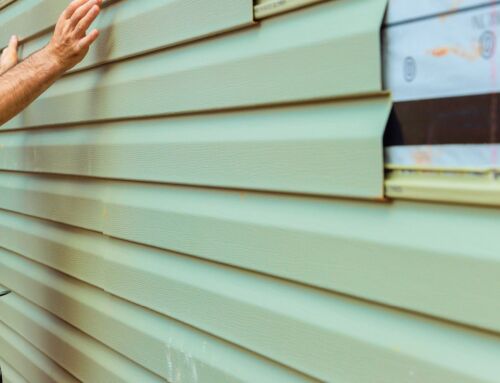
A Richmond Homeowner’s Guide to Vinyl Siding Removal
Vinyl siding has had its moment in the sun, but many homeowners in the Richmond area are realizing that moment has passed. Whether it’s warping from the Virginia humidity or simply failing to provide the curb appeal your home deserves, there comes a time to remove vinyl siding.
While we always recommend professional help for large-scale exterior projects, understanding the process is valuable for any homeowner. If you are ready to say goodbye to plastic and hello to durability, here is a guide on how to remove vinyl siding safely and efficiently.
Tools You Will Need
To remove vinyl siding effectively, you don’t need heavy machinery, but you do need the right hand tools to avoid damaging the sheathing underneath.
- Zip Tool (Siding Removal Tool): This is essential for unlocking the bottom edges of the panels.
- Pry Bar or Claw Hammer: For removing nails.
- Utility Knife: To cut through caulking or stubborn pieces.
- Safety Gear: Work gloves and safety glasses are non-negotiable. Vinyl can shatter and create sharp edges.
- Ladder: Ensure it is stable, especially if you are working on a multi-story home in Wyndham or Manakin Sabot.
How To Remove Vinyl Siding: A Step-by-Step Guide
The process of removing vinyl siding is actually the reverse of installation. Since vinyl is hung from the bottom up, you will generally take it down from the top down.
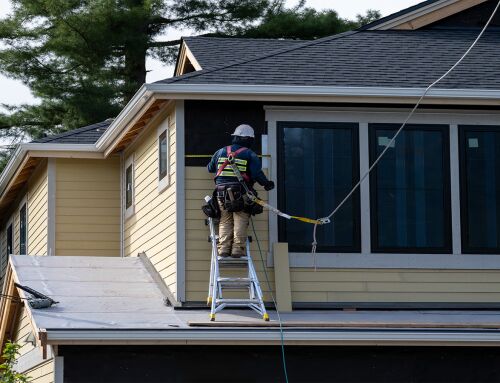
- Clear the Area: Before you start, clear the perimeter of your home. Remove outdoor furniture, planters, and shutters. This ensures you have a safe workspace and prevents damage to your landscaping.
- Locate the Top Panel: Start at the top of the wall. If there is a piece of J-channel or trim at the very top, you may need to loosen that first. Slide your zip tool under the bottom edge of the top panel to unlock it from the panel below it.
- Remove the Nails: Once the panel is unlocked, lift it to reveal the nailing hem. Vinyl siding is “hung,” not tightly nailed, so the nails should have a little gap. Use your pry bar or hammer to pull the nails out gently. Be careful not to gouge the wood sheathing underneath when you remove vinyl siding, as you will need a smooth surface for your new installation.
- Work Your Way Down: Continue this process, unlocking the panels and pulling the nails as you move down the wall. Removing vinyl siding requires patience; rushing can result in damaging the moisture barrier or window casings.
- Remove Corner Posts and Trim: After the main panels are down, tackle the corner posts and J-channels around windows and doors. These are often nailed more securely than the panels. You may need to cut the nails with a hacksaw or pry them out carefully.
Inspecting What Lies Beneath
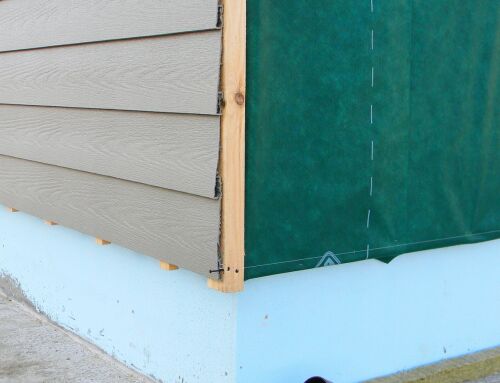
When you remove vinyl siding, you benefit from the opportunity to inspect the structural integrity of your home. Vinyl is notorious for trapping moisture, which can lead to rot in the wood sheathing.
Once the siding is off, look for:
- Water stains or rot on the plywood or OSB.
- Mold or mildew growth.
- Tears in the house wrap.
If you discover significant damage, repairs must be made before any siding replacement occurs. Covering up rot with new fiber cement siding will only lead to expensive headaches down the road.
Why Richmond Homeowners Are Removing Vinyl Siding
Before picking up a pry bar, it is worth noting why so many residents in Short Pump, Midlothian, and the West End are making the switch to premium, long-lasting materials such as James Hardie Plank. Vinyl often cracks, fades, and warps under intense heat. It also masks potential moisture issues underneath.
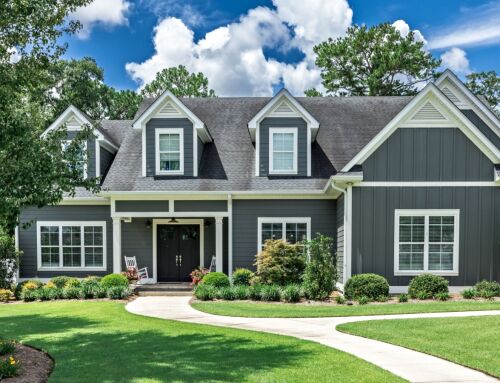
Many of our clients choose to remove vinyl siding and replace it with more durable Hardie Plank. As Richmond’s original James Hardie dealer since 2005, Blue Ridge Exteriors has seen firsthand how fiber cement siding outperforms vinyl in longevity, aesthetics, and fire resistance. If you are going to the trouble of siding replacement, upgrading to a premium product ensures you won’t have to repeat the process a decade from now.
Upgrading to James Hardie Plank Siding
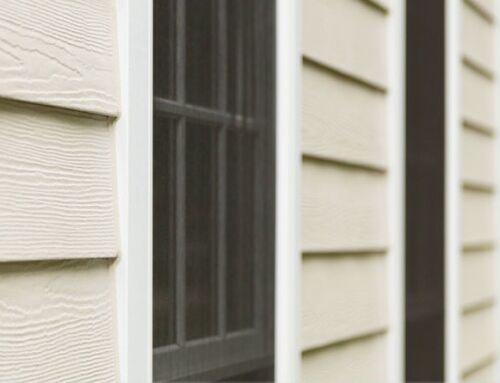
Once you remove vinyl siding, you are left with a blank canvas. This is the perfect time to invest in the long-term value of your home. Unlike vinyl, James Hardie® Plank is engineered to withstand the specific climate conditions of Central Virginia.
It not only offers the look of authentic wood but also provides incomparable benefits:
- Exceptional Durability: Engineered to withstand extreme weather, from humidity to freezing temperatures.
- Unmatched Lifespan: Designed to last, far outperforming traditional siding materials, often by decades, with proper installation and maintenance.
- Pest, Rot, & Fire Resistance: Hardie Plank is non-combustible and offers protection against pests and rot.
- Low Maintenance: Maintains its color and structural integrity with minimal upkeep.
At Blue Ridge Exteriors, we have over 60 years of combined experience and have completed more Hardie® Plank installs in Richmond than any other company. We believe that siding replacement should be a one-time investment that elevates the beauty and value of your home.
Ready for a Superior Exterior?
Siding removal is a labor-intensive job that requires attention to detail and safety. If you’re ready to remove vinyl siding but would rather leave the hard work to the experts, we are here to help. We will ensure a flawless transition to James Hardie® Plank.
Partner with Blue Ridge Exteriors, Richmond’s most trusted siding experts. We provide:
- Elite Preferred Service: As a James Hardie® Elite Contractor, we adhere to the highest standards of installation and customer satisfaction.
- Unmatched Expertise: With over 60 years of combined experience, we have the skills to handle any siding project, ensuring a flawless finish.
- Guaranteed Peace of Mind: Our commitment to quality is backed by strong warranties and TheHomeMag-Certified $5,000 Guarantee, offering you complete confidence in our work.
Contact us today to discuss your project and see why we are Richmond’s preferred James Hardie® Elite Contractor for fiber cement siding.