Long-Lasting Durability That Reduces Environmental Impact
In today’s eco-conscious world, making sustainable choices is more important than ever. Sustainable siding is one more area where you can make a positive impact on the environment while also improving your home’s aesthetic and value. The demand for green building materials is on the rise, and James Hardie siding is leading the way. Known for its toughness and eco-friendly construction, it’s a top pick for anyone looking to benefit the planet while upgrading their home.
In this blog, we’ll dive into what makes James Hardie siding such a sustainable option. We’ll explore the materials and manufacturing processes behind its eco-friendliness, compare it to other options like vinyl and wood, and highlight benefits that go beyond the environment, like saving money and boosting durability. Plus, you’ll find out why Blue Ridge Exteriors is the best choice for sustainable exterior siding in Central Virginia. We’re known for our award-winning service and dedication to happy customers.
Since 2005, Blue Ridge Exteriors has been a trailblazer in siding solutions, specializing in James Hardie products. Our top-notch team delivers quality service, offering personalized consultations to help you pick the perfect siding for your home. We’re proud to provide green solutions and maintain the highest craftsmanship standards, making us the go-to for your sustainable siding needs.
What Makes a Siding Product Eco-Friendly?
When evaluating whether a siding product—or any product—is genuinely eco-friendly, consider a few essential factors:
Materials: Opt for siding crafted from sustainable or recycled materials. Selecting wood alternatives, like fiber cement, that look like wood but without contributing to deforestation, wood from responsibly managed forests, or recycled metals significantly reduces environmental impact.
Durability and Longevity: A longer-lasting product requires less frequent replacement, resulting in reduced waste over time. A key feature of sustainable house siding is durability because it conserves resources by minimizing the need for replacements and repairs.
Manufacturing Process: Investigate whether the manufacturing process incorporates sustainable practices such as energy efficiency, resource conservation, and waste reduction. Companies prioritizing these areas decrease their products’ environmental footprint.
Maintenance Requirements: Low-maintenance siding is advantageous as it demands fewer resources, such as paint, water, and chemicals, for upkeep. This not only conserves resources but also lowers the environmental impact of maintenance.
End-of-Life Impact: Remember that sustainable siding must be recyclable or able to be safely disposed of. The ability to decompose the material into reusable components or to ensure it doesn’t harm the environment at the end of its life is crucial for sustainability.
By considering these aspects, you can make informed decisions that benefit both your home and the planet!
Sustainable Siding That Doesn’t Compromise on Strength
Selecting the ideal siding for your home involves more than just aesthetics and durability—it’s about making environmentally conscious choices. That’s where James Hardie siding excels, offering a top option for homeowners committed to sustainability.
Eco-Friendly Materials
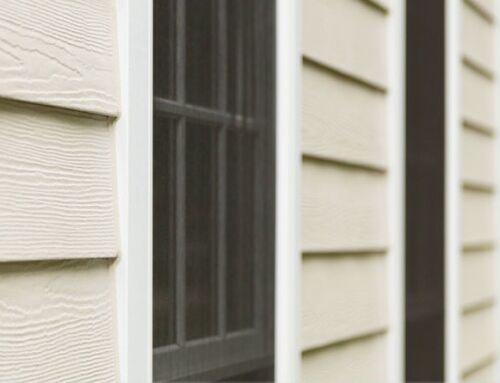
James Hardie siding is crafted from fiber cement, a mix of sustainable resources like wood pulp, sand, and cement. These materials are abundant and have a reduced environmental impact compared to conventional options like vinyl, which depends on petrochemicals. By opting for fiber cement, we contribute to less deforestation and resource depletion—a win for eco-conscious construction.
Durability and Longevity
James Hardie’s sustainable siding is renowned for its exceptional durability, withstanding heavy rain, strong winds, extreme temperatures, and even fire. It’s also pest-resistant, leading to fewer replacements over time. This not only reduces waste but also saves you money, ensuring your home retains its beauty year after year without frequent repairs.
Minimal Maintenance
With our ColorPlus® Technology, James Hardie’s sustainable siding is available in a range of colors that resist fading, mold, chipping, and cracking. This means less repainting, benefiting both the environment and your budget. You’ll use fewer chemical paints and conserve resources, all while keeping your home looking vibrant with minimal effort.
Sustainable Manufacturing Practices
James Hardie is dedicated to reducing its environmental footprint through sustainable manufacturing. We strive to lower greenhouse gas emissions by enhancing natural gas efficiency and transitioning to renewable energy. Additionally, we invest in water conservation technologies to minimize wastewater. These efforts underscore our commitment to producing superior sustainable exterior siding.
Choosing James Hardie siding is an investment not only in your home but also in the environment.
Upgrade Your Home with Sustainable Siding
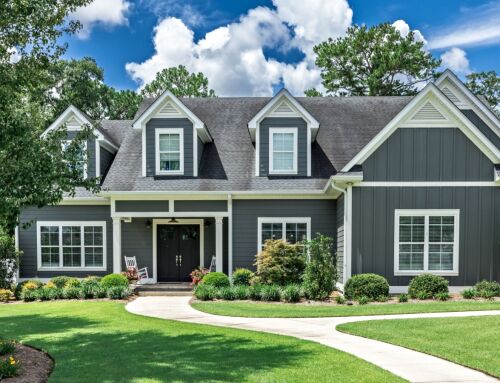
Looking to refresh your home’s appearance while investing in a sustainable future? Discover James Hardie siding, the ideal choice for eco-conscious homeowners. This siding combines style with sustainability, crafted from eco-friendly materials that are exceptionally durable and require minimal maintenance.
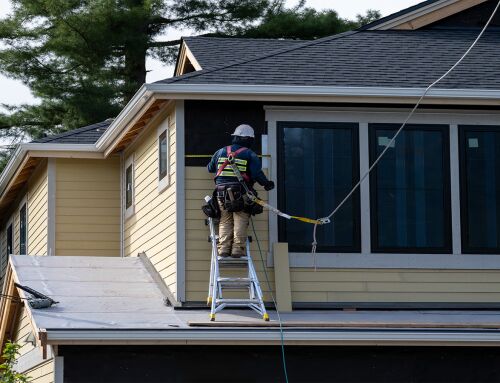
At Blue Ridge Exteriors, we’re dedicated to offering premium sustainable house siding solutions that not only elevate your home’s aesthetic but also contribute to environmental preservation. Our experienced and friendly installers ensure your siding looks fantastic and withstands the elements.
Imagine transforming your home with beautiful, sustainable siding that enhances its value and charm. If this aligns with your vision, we’re here to help bring it to life! Contact Blue Ridge Exteriors today for a personalized consultation on James Hardie siding. Let’s collaborate to create an incredible, eco-friendly home that endures for years. Reach out now to schedule your consultation and embark on this exciting journey with us!